A Language of 78 Images
Read the video transcript
Tarot is an old language of 78 images. Let's see what it is and how the deck fits together. It began as a card game in 15th century Italy.
Later came divination, and today, reflection. Look at the star. Water pours beneath a bright star.
Tradition says hope, but what does it say to you? A reading is like looking at a painting, not a forecast. Two people can see different things and both can be right.
The deck has two halves, 22 major arcana and 56 minor arcana in four suits, wands, cups, swords, and pentacles. Major cards often speak of big themes like the magician. Minor cards often show everyday life like the three of Pentacles.
Each suit runs from ace to 10, then page, knight, queen, and king. Suit and number give you a way in. So, when you meet a new card, ask major or minor, which suit, which number, and the deck becomes a map.
Tarot is an old language of 78 images. Let’s see what it is, what it isn’t, and how the whole deck fits together.
Tarot began as a card game in fifteenth-century Italy, played at the tables of noble families. Over the centuries people started using the same cards for divination, and today many of us use them for something quieter: reflection. In this course we use the Rider–Waite–Smith deck, first published in 1909, because every card is a scene full of people and objects you can describe.
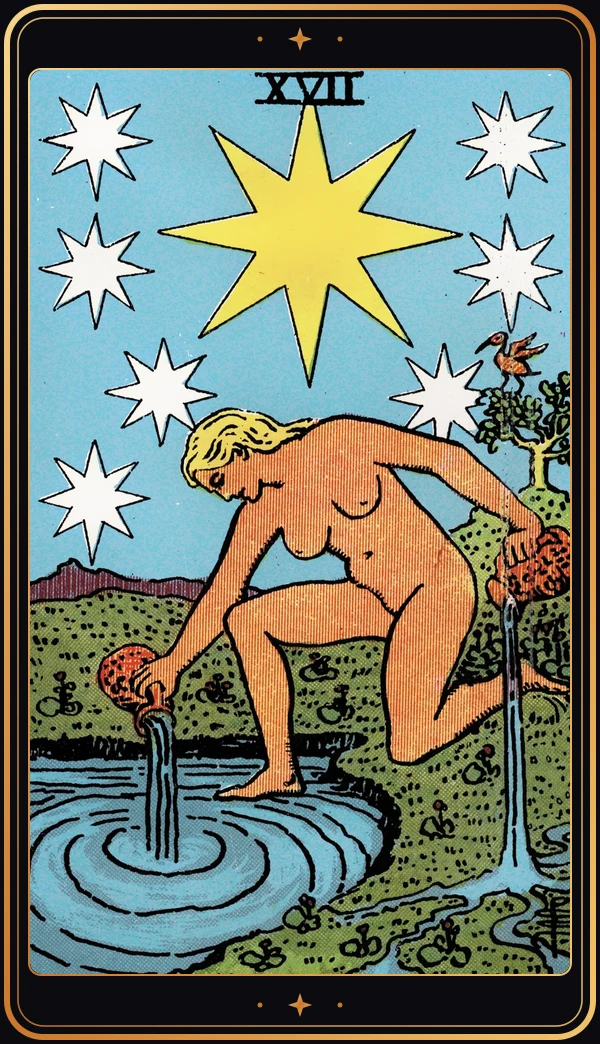
Look at the Star. A figure kneels by a pool beneath one bright star, pouring water onto the land and back into the pool. Tradition says this card speaks of hope and renewal. But what does it say to you, today, about your question? That part comes from you, from the moment you’re in, and from the cards around it.
That’s why a reading is closer to looking at a painting than to reading a forecast. Two people can sit in front of the same card, see different things, and both be right, as long as they can say what in the image led them there.
It also means tarot has limits. It can’t tell you about someone’s health, how much money you’ll make, or what another person is secretly thinking. What it can do is help you see your own choices, feelings and options more clearly. When a question asks the cards to know something nobody could know, we gently reshape it.
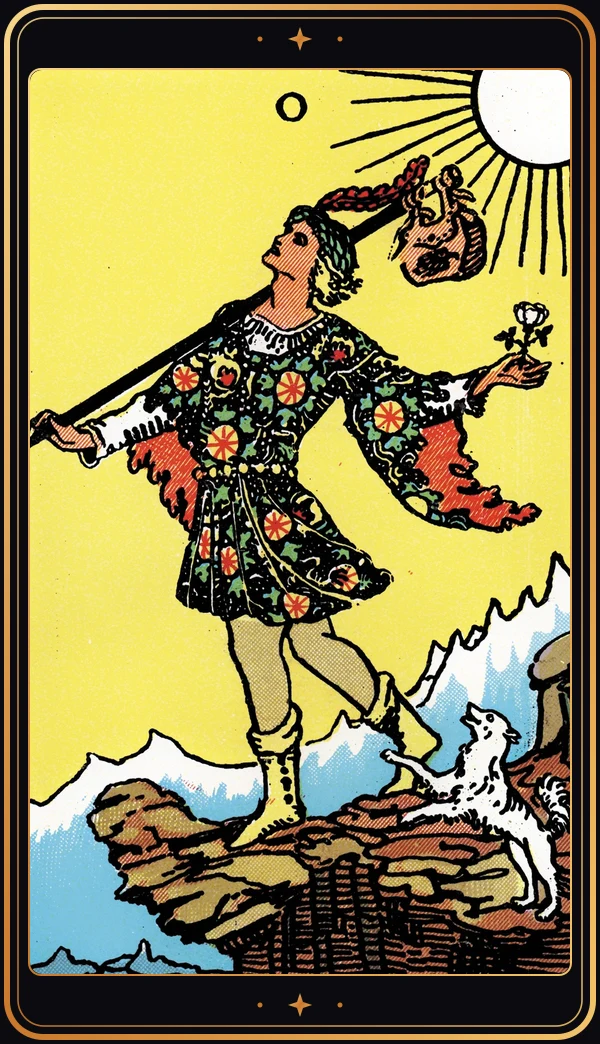
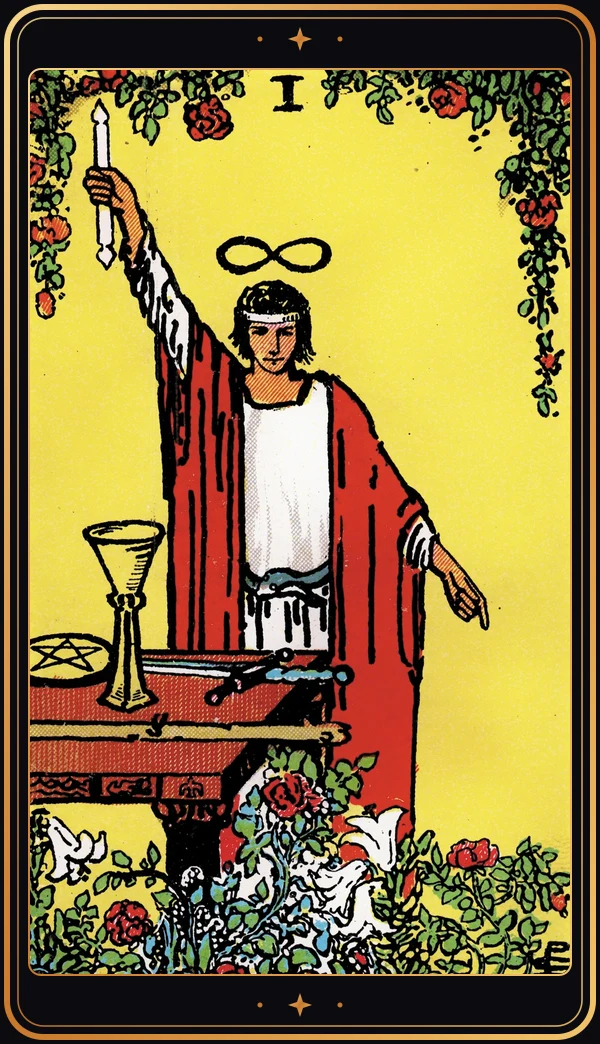
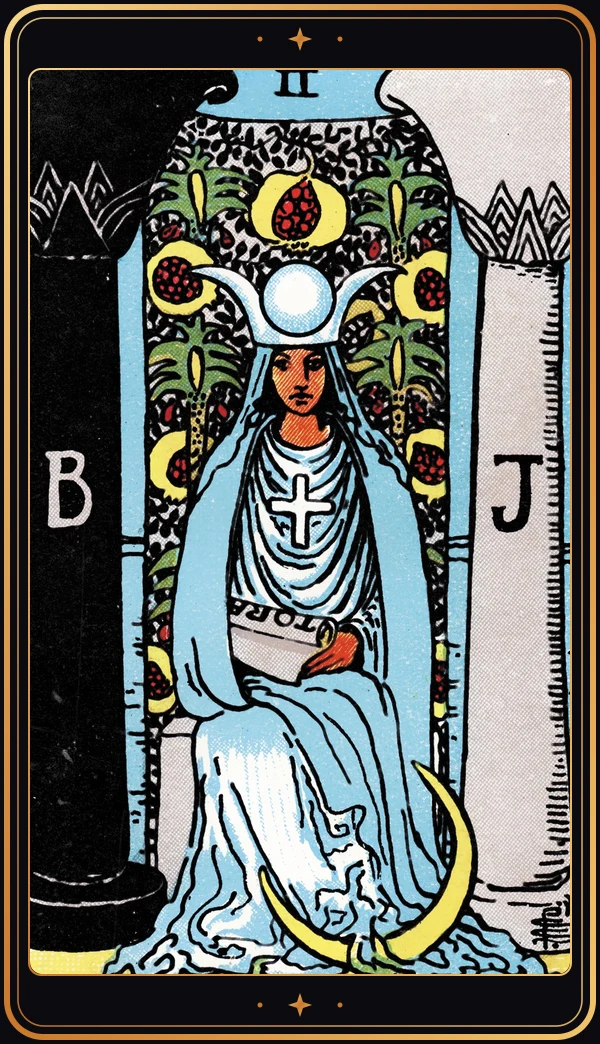
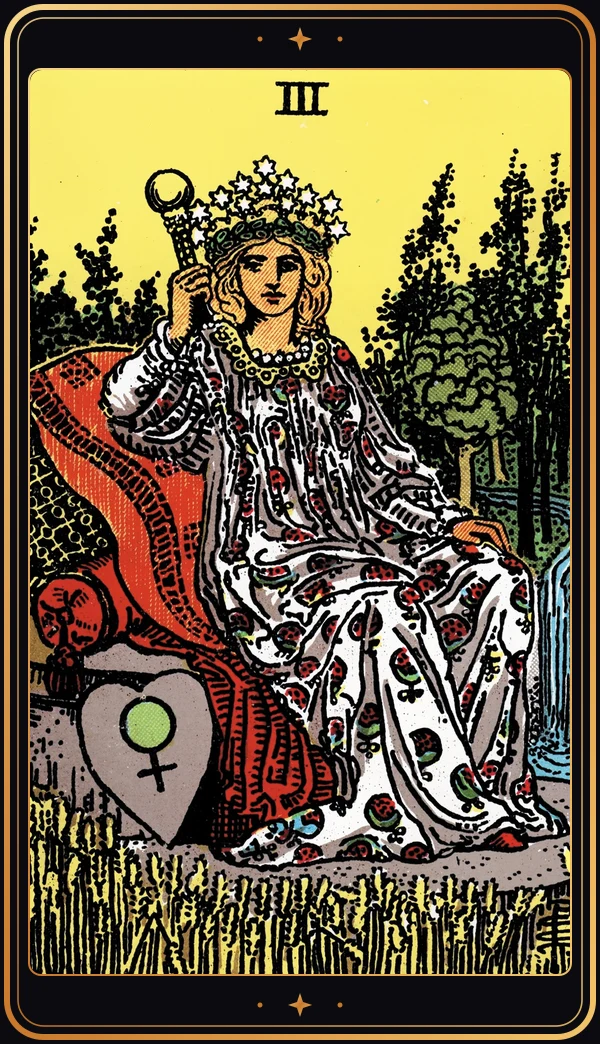
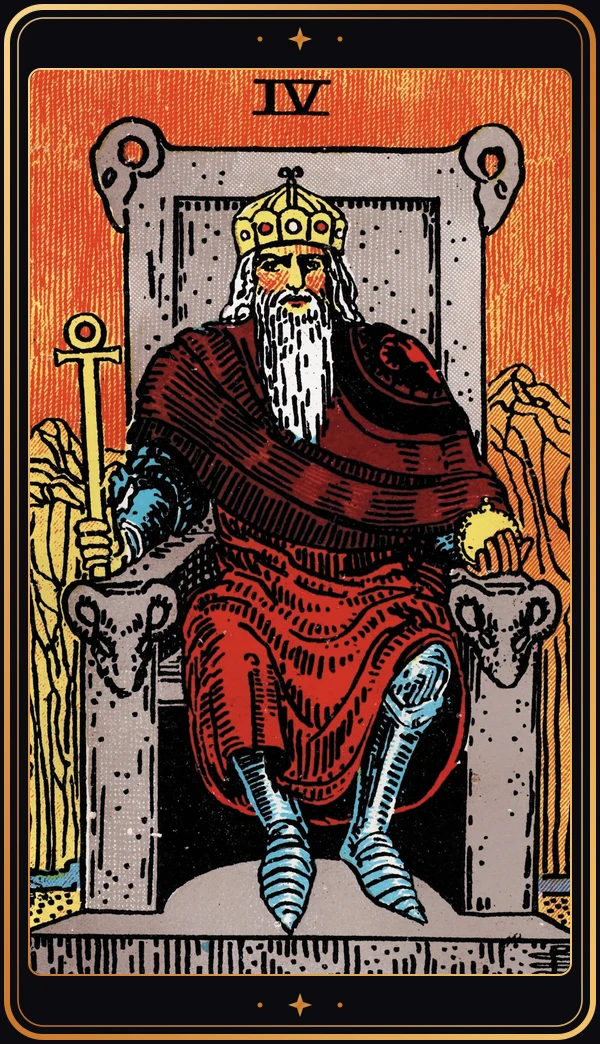
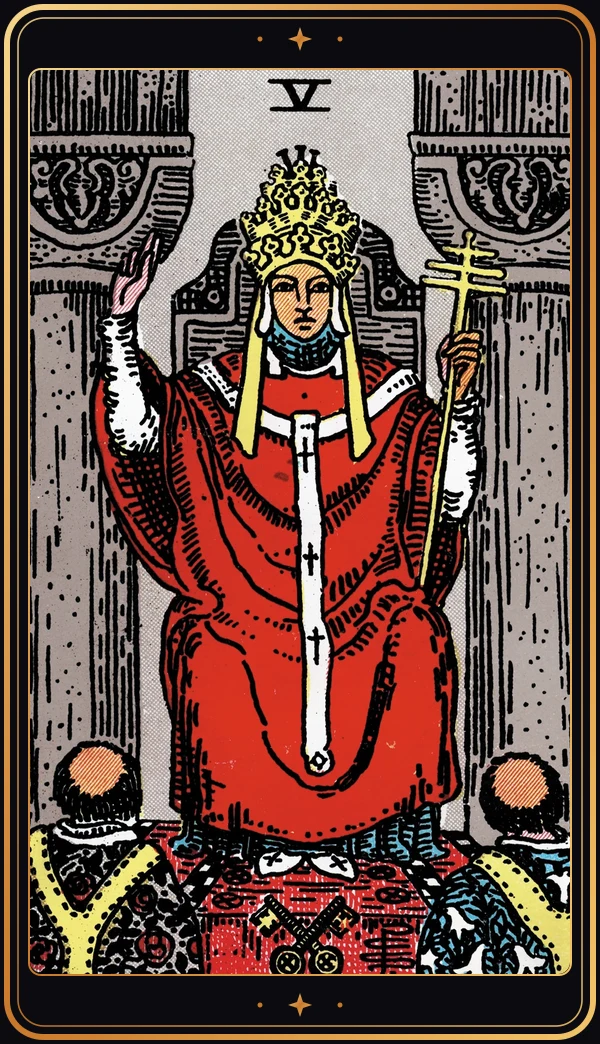
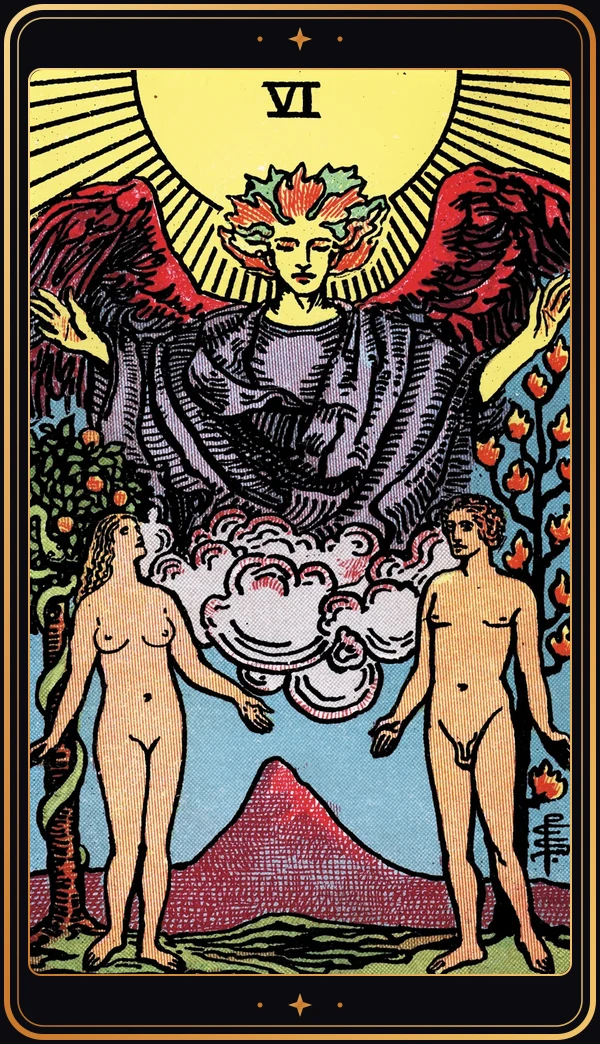
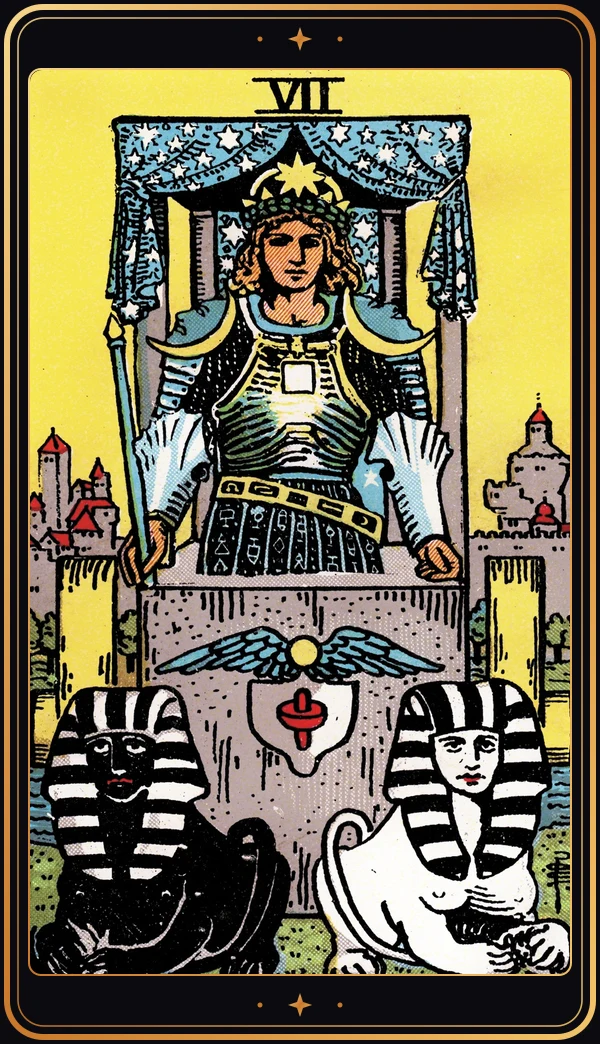
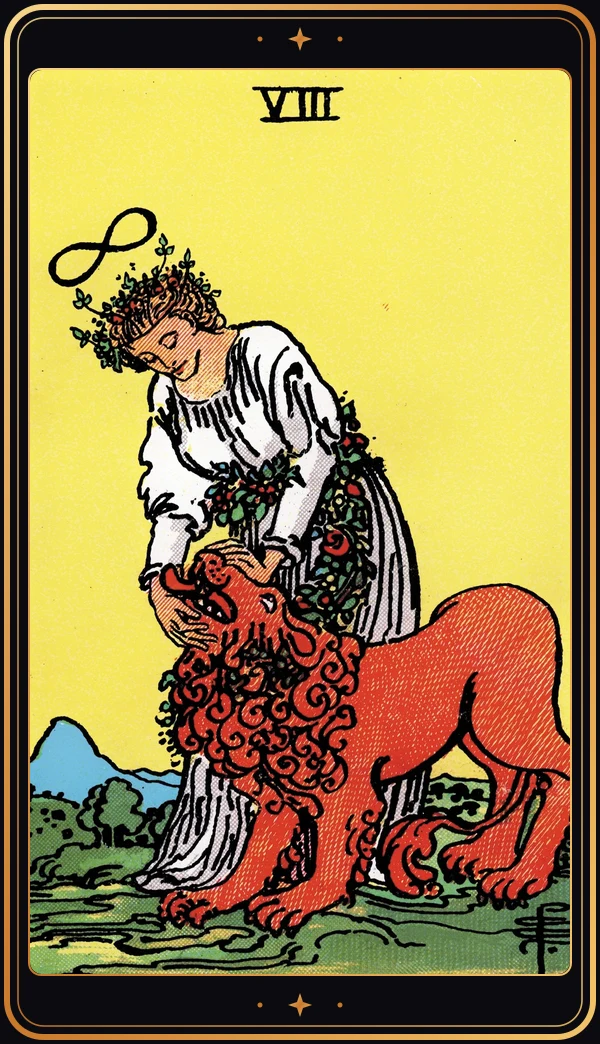
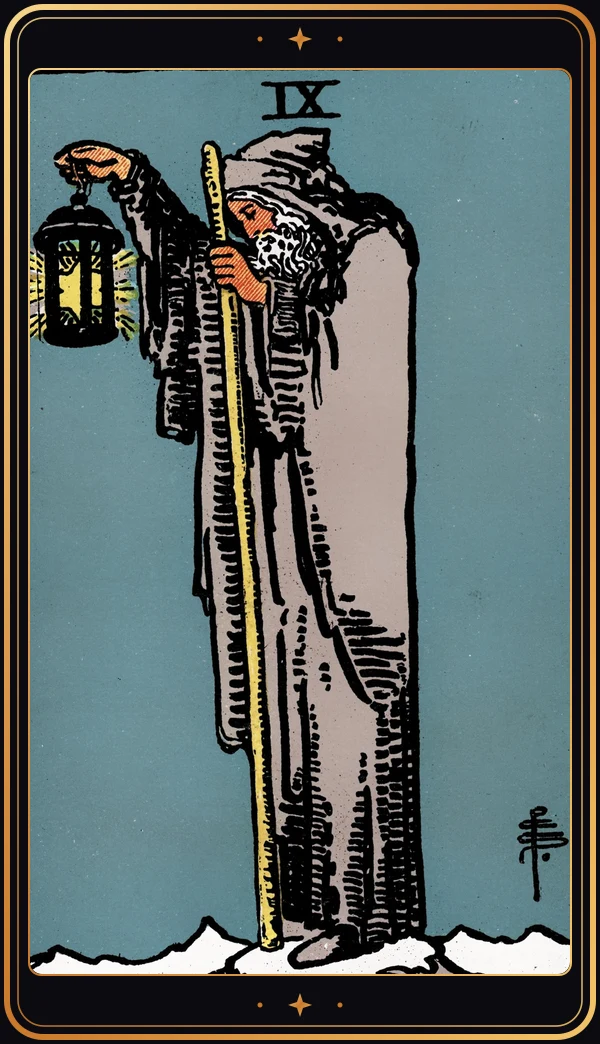
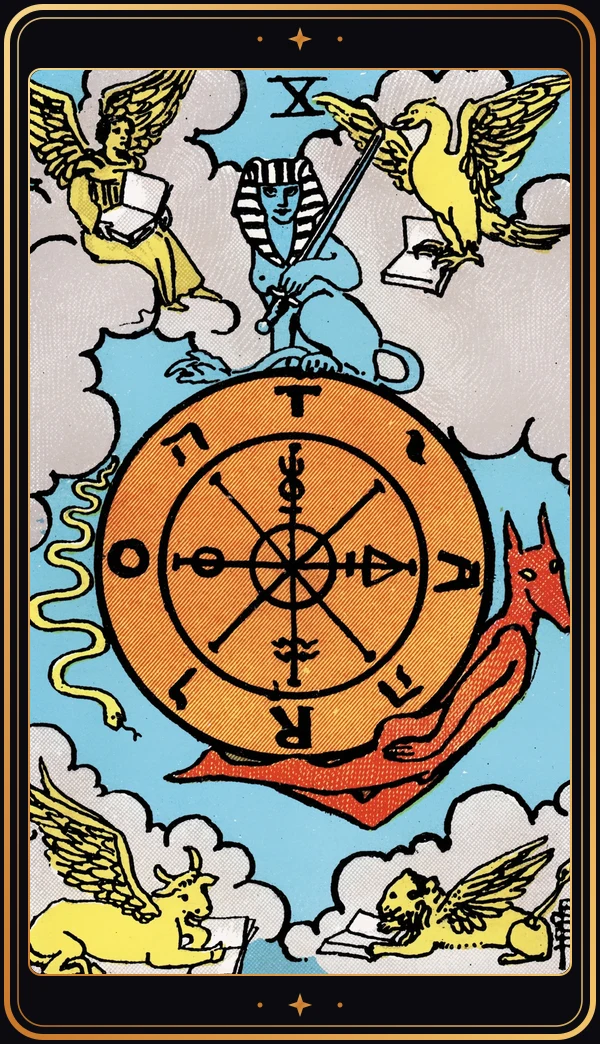
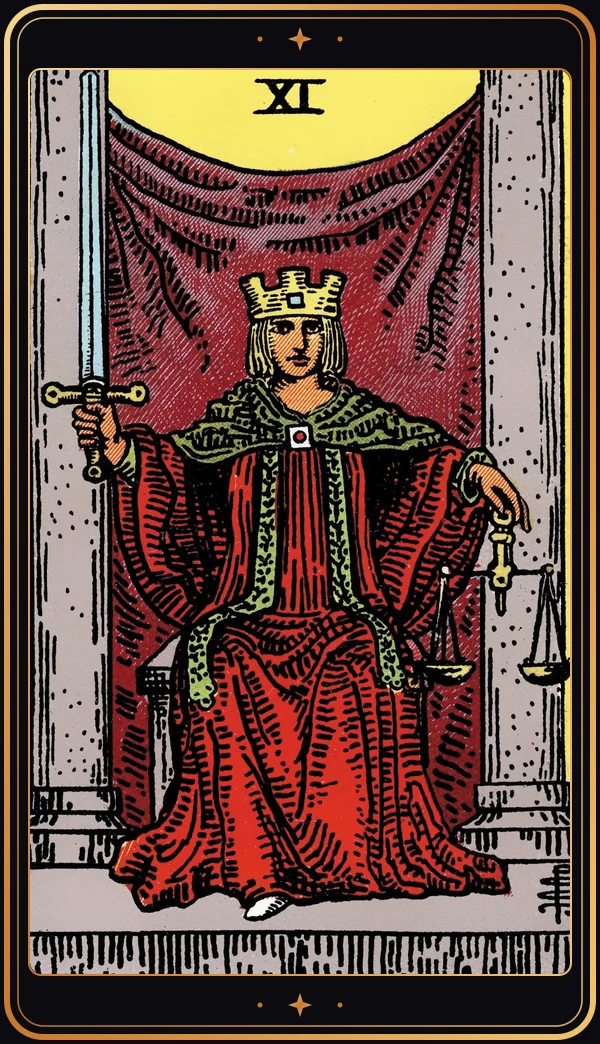
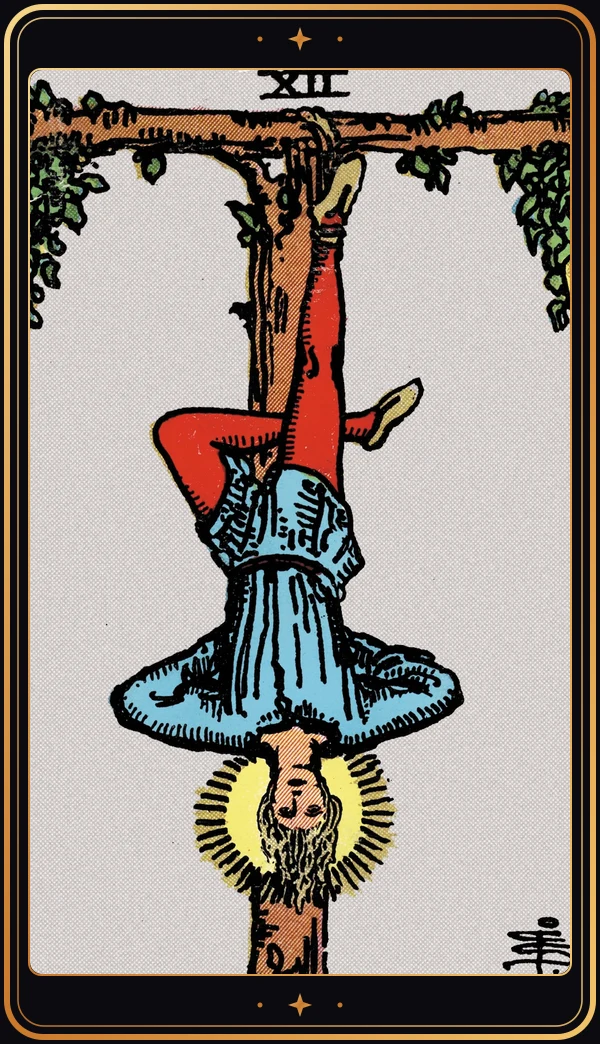
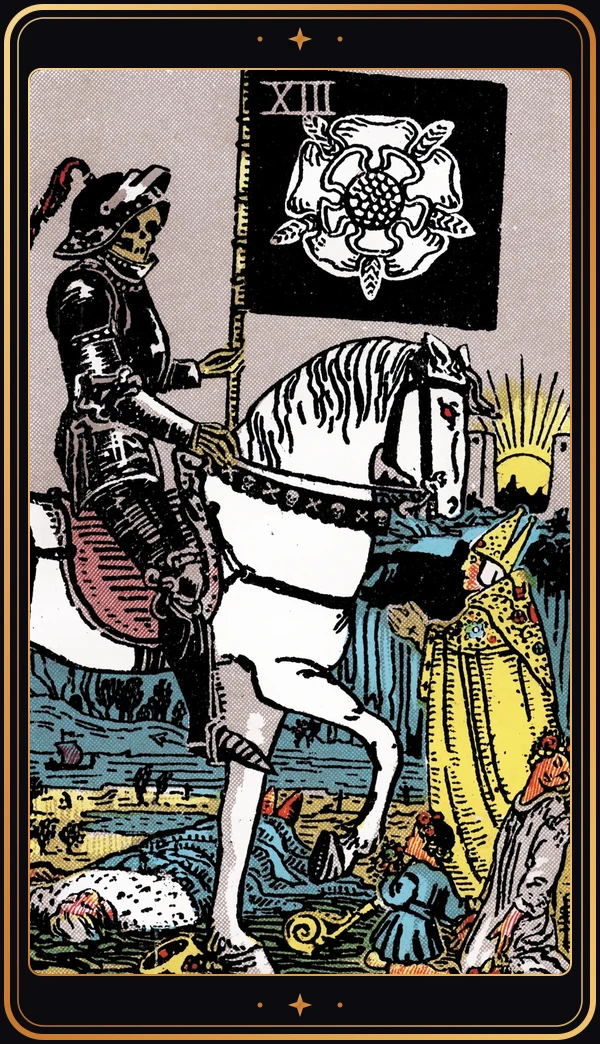
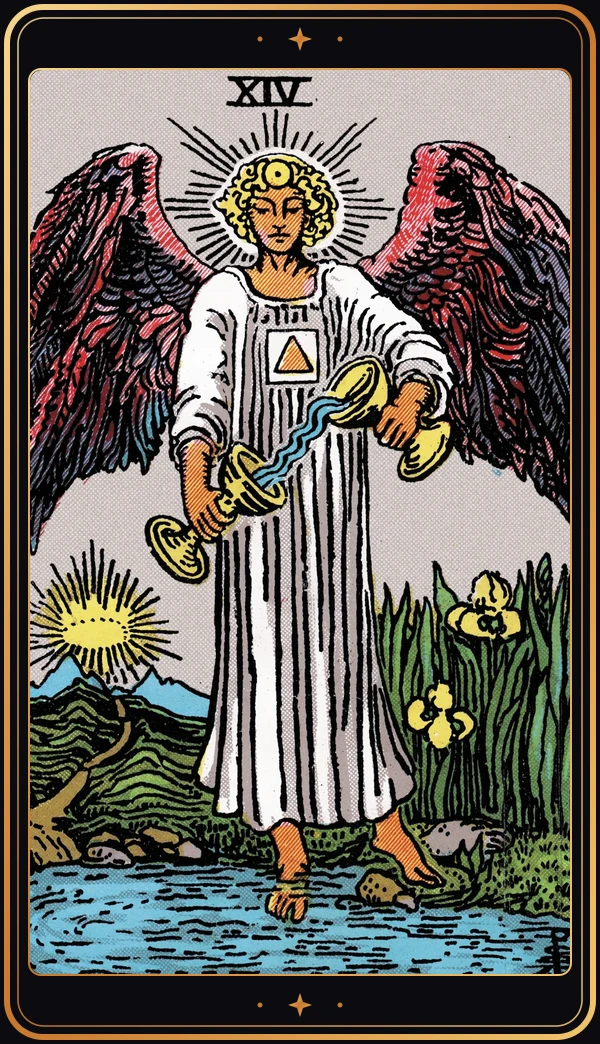
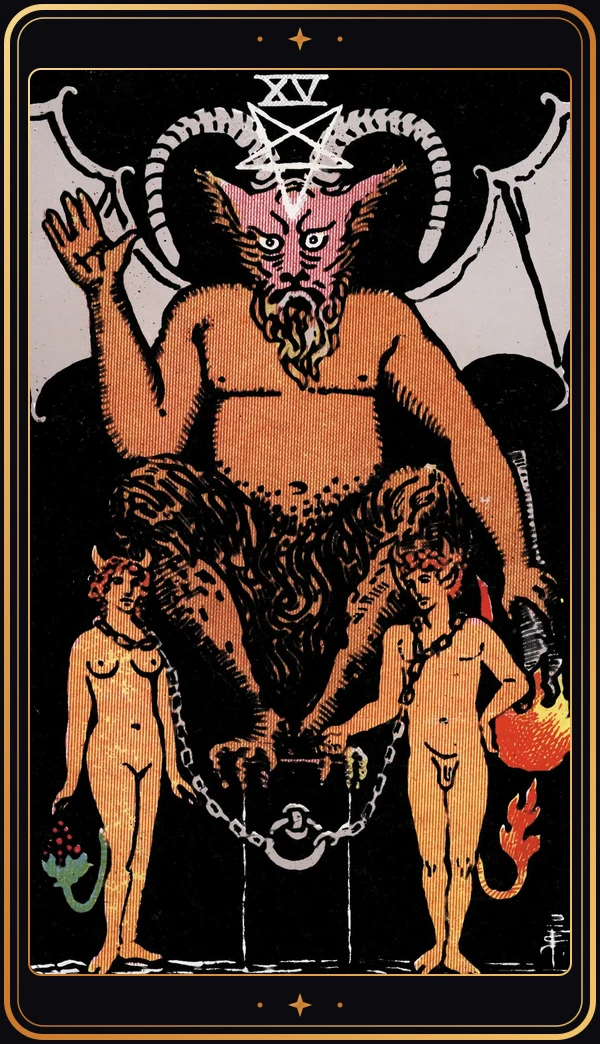
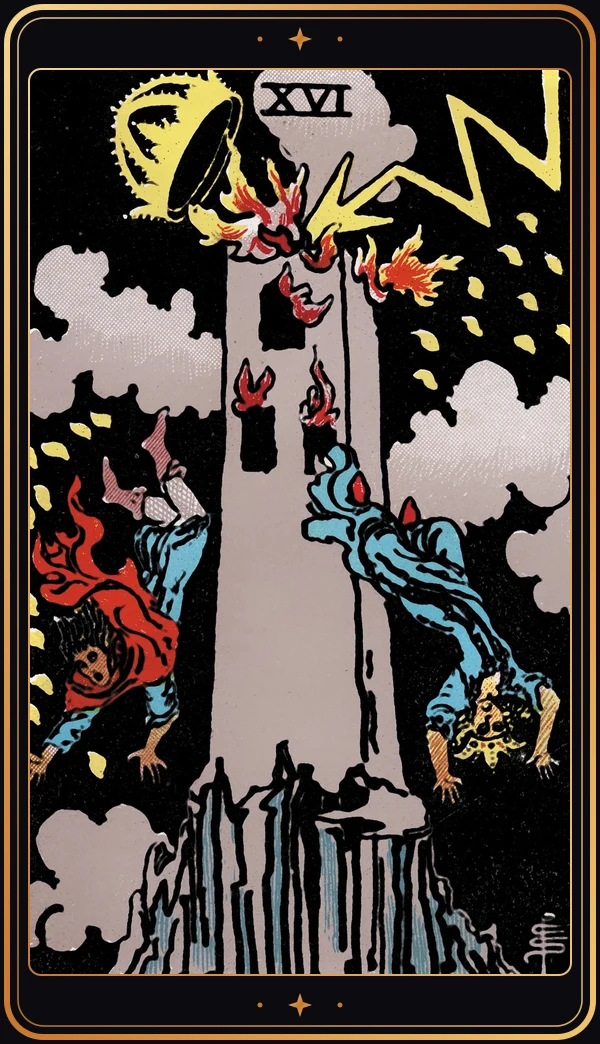
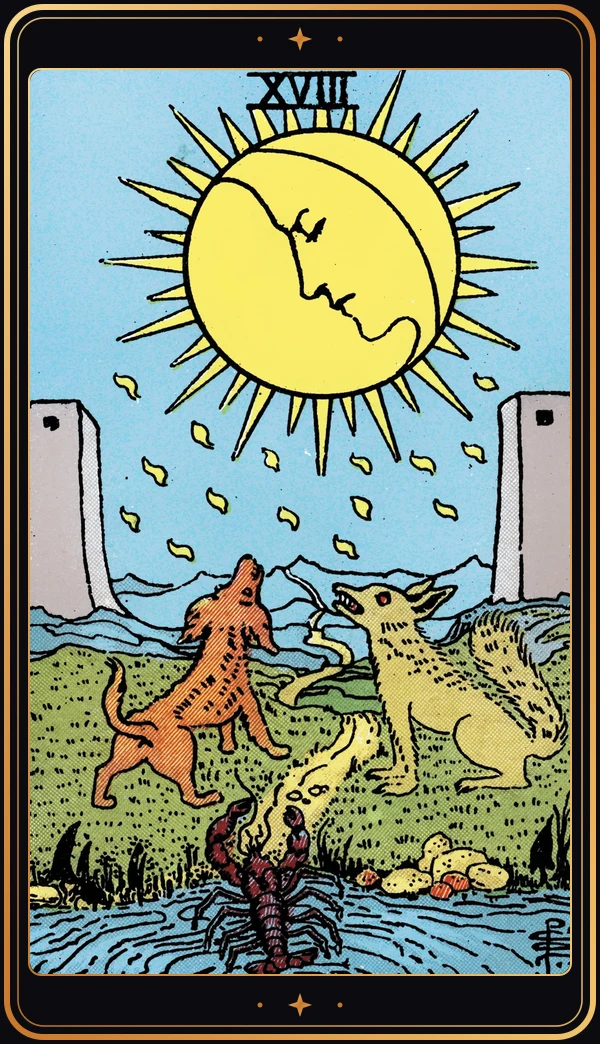
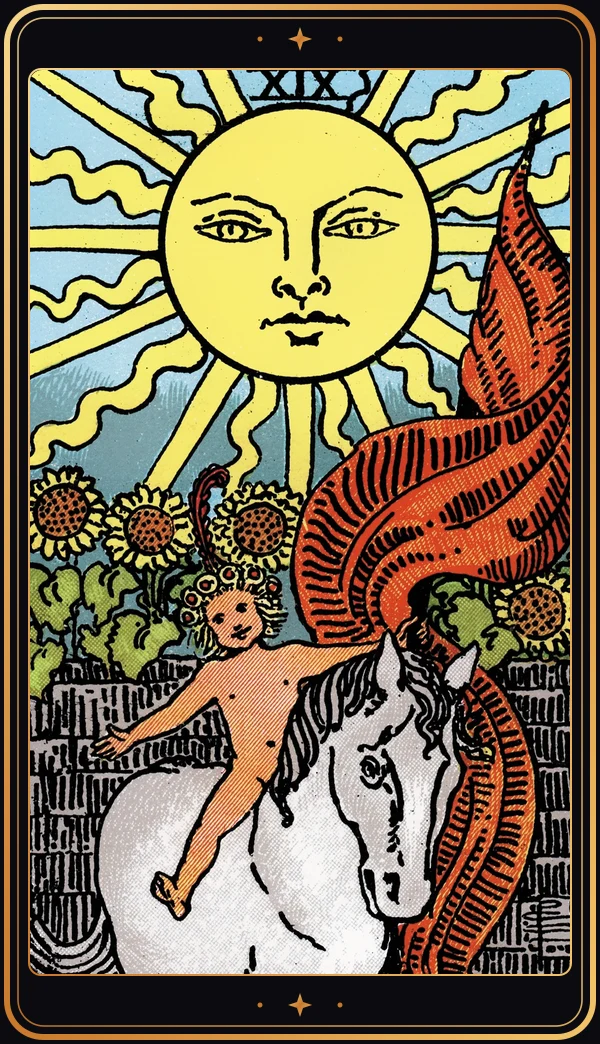
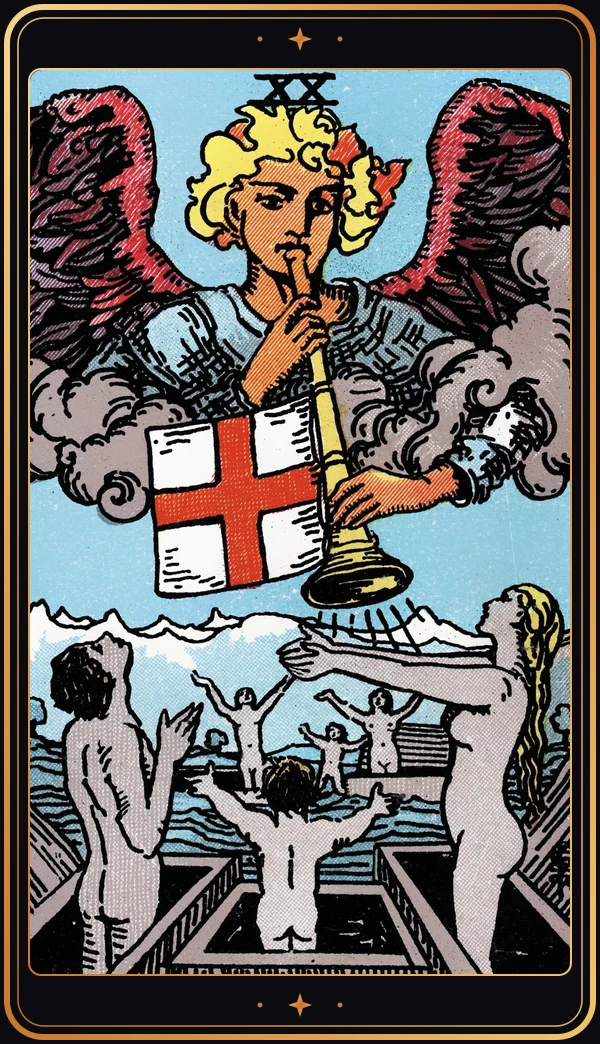
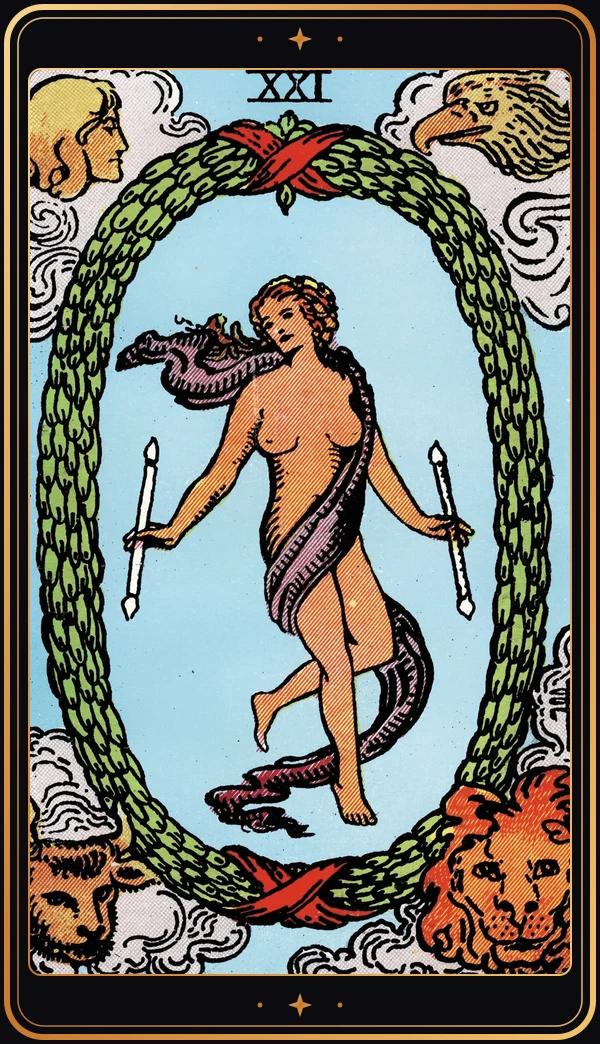
A tarot deck is made of two halves. The first is the Major Arcana: 22 cards, numbered 0 to 21, from the Fool to the World. “Arcana” simply means secrets or mysteries, an old word that stuck.
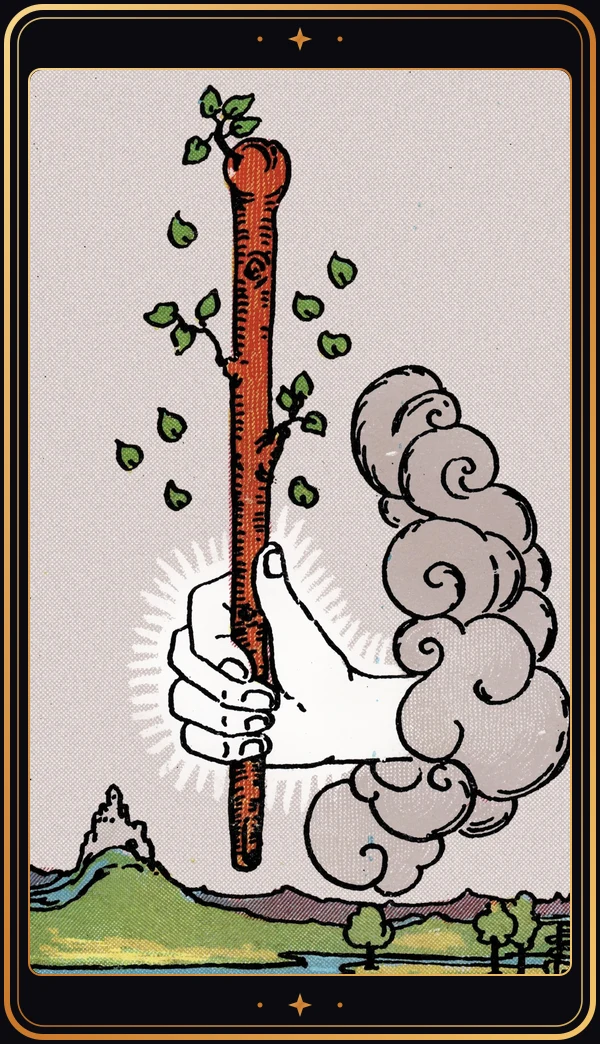
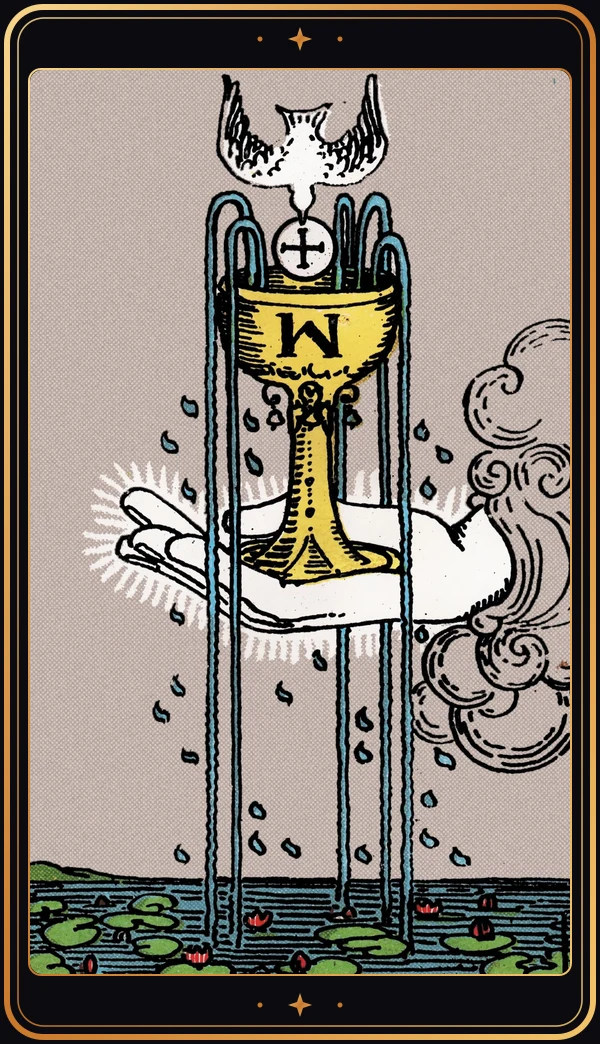
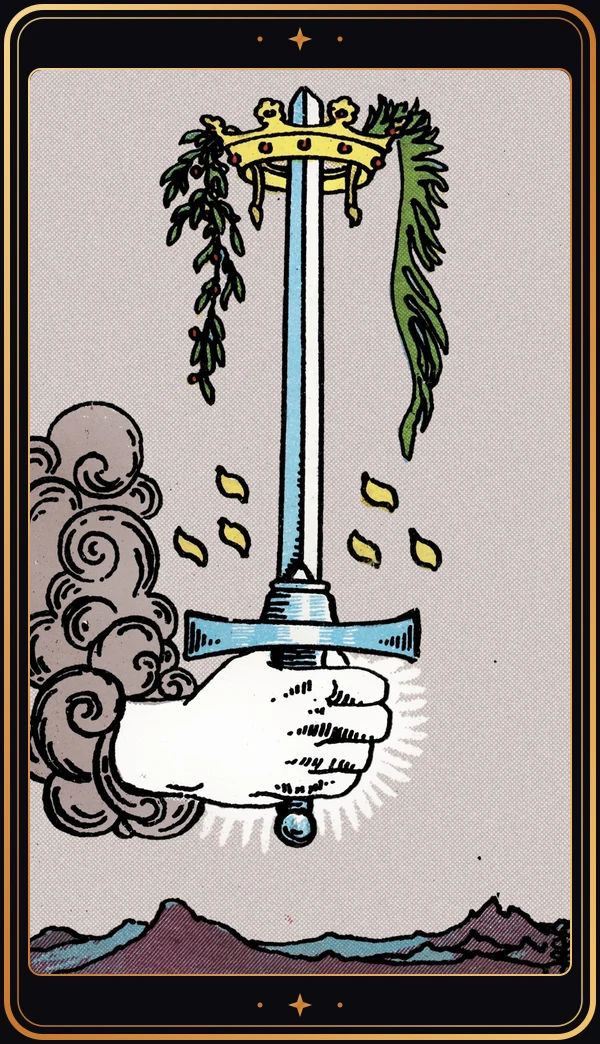
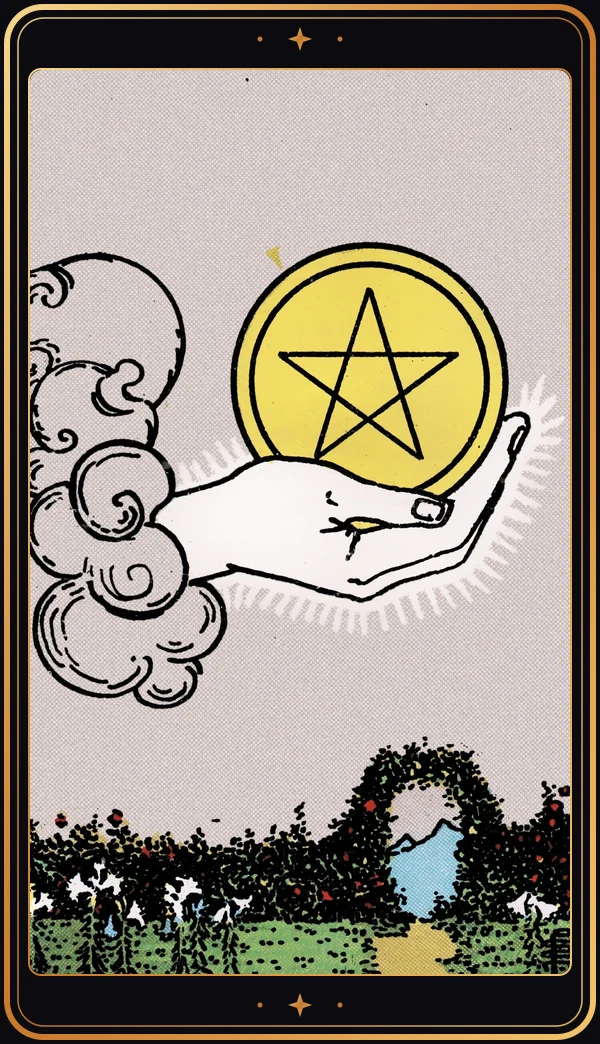
The second half is the Minor Arcana, 56 cards in four suits: Wands, Cups, Swords and Pentacles.
The two halves speak at different scales. Major cards often speak of big themes and turning points.
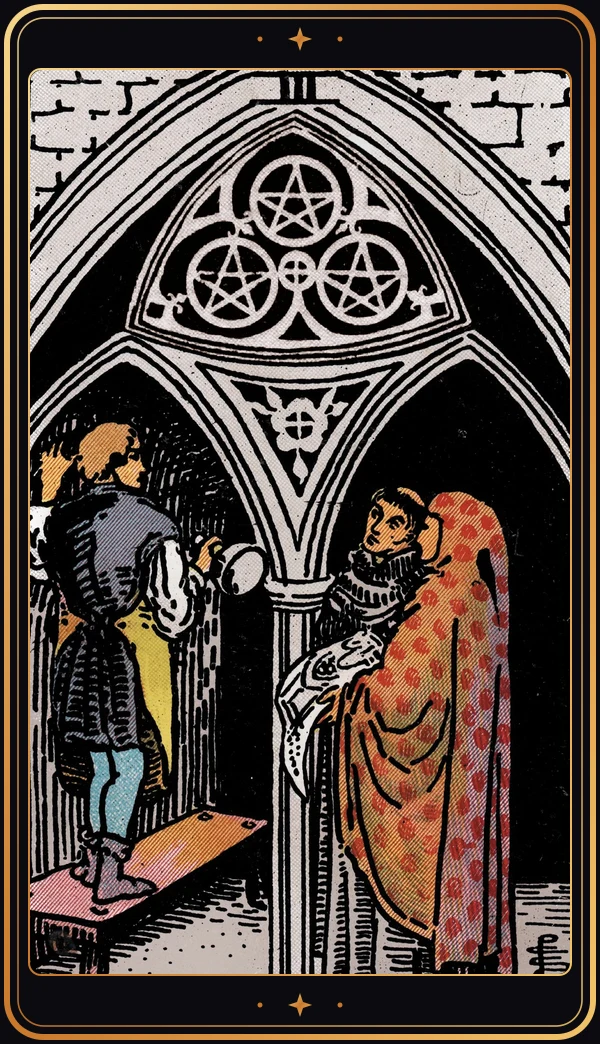
Think of the Magician, standing alone with one arm raised and all four suit symbols on his table: he feels like an idea, a principle. Minor cards often show everyday life. The Three of Pentacles shows a craftsman at work in a church while two people hold up the plans: a scene from a working day. It’s a tendency, not a rule, but it helps you sense the size of what a card is saying.
Inside the Minor Arcana there’s a simple grid. Each suit runs from Ace to Ten, then four court cards: Page, Knight, Queen and King. Suit and number give you a way in.
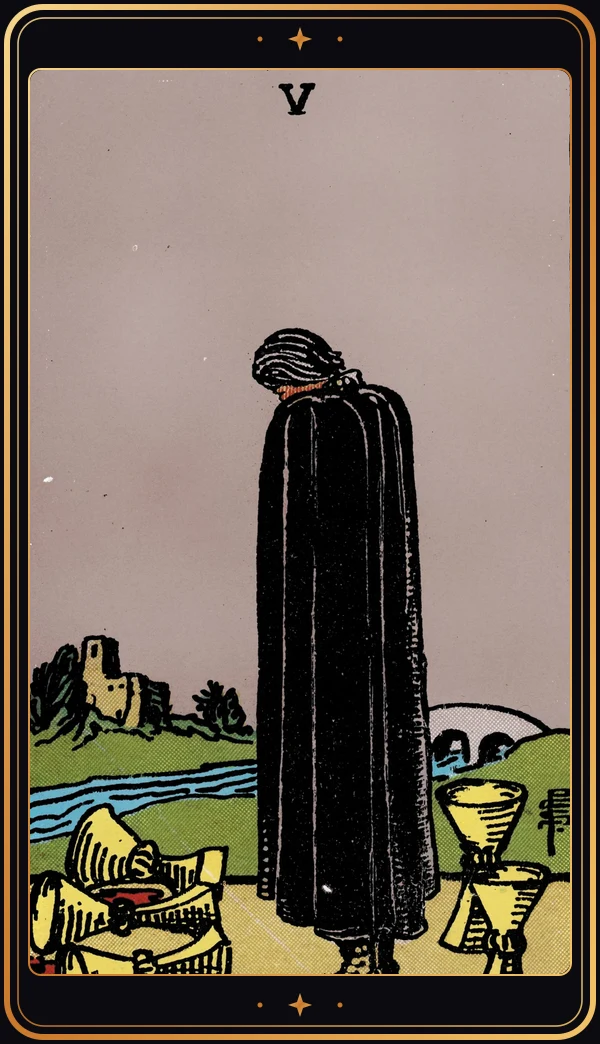
If you know what Cups tend to be about, and what Fives tend to be about, the Five of Cups, a cloaked figure looking down at three spilled cups while two still stand behind, already starts to make sense before you’ve studied it.
So when you meet a new card, ask three questions. Is it Major or Minor? If it’s Minor, which suit? Which number or rank? Those three answers place any card in the deck, and little by little the deck becomes a map you know your way around.
Your exercise
Pick cards at random, face down, and place each one: is it Major or Minor? If it’s Minor, which suit, and which number or rank? If it’s Major, which number does it carry? You’ll see straight away if you’re right.
Key takeaways
- 1Tarot is a language of 78 images, used today mostly to reflect rather than to predict.
- 2A card’s meaning comes from the image, the tradition and the question you bring, so two people can read it differently and both be right.
- 3Tarot can’t know what nobody could know, like someone’s health or another person’s thoughts. Reshape those questions instead.
- 4The deck has two halves: 22 Major Arcana and 56 Minor Arcana in four suits.
- 5Major cards tend to speak of big themes and turning points; Minor cards of everyday life.
- 6Suit and number together give you a starting point for any Minor card, even one you’ve never studied.