


The Three-Card Reading
Three cards give you a small story. Each one has a position, a job it does in the reading. Here’s how to choose positions, read each card in its place, and join the three.
Many ways to use three cards
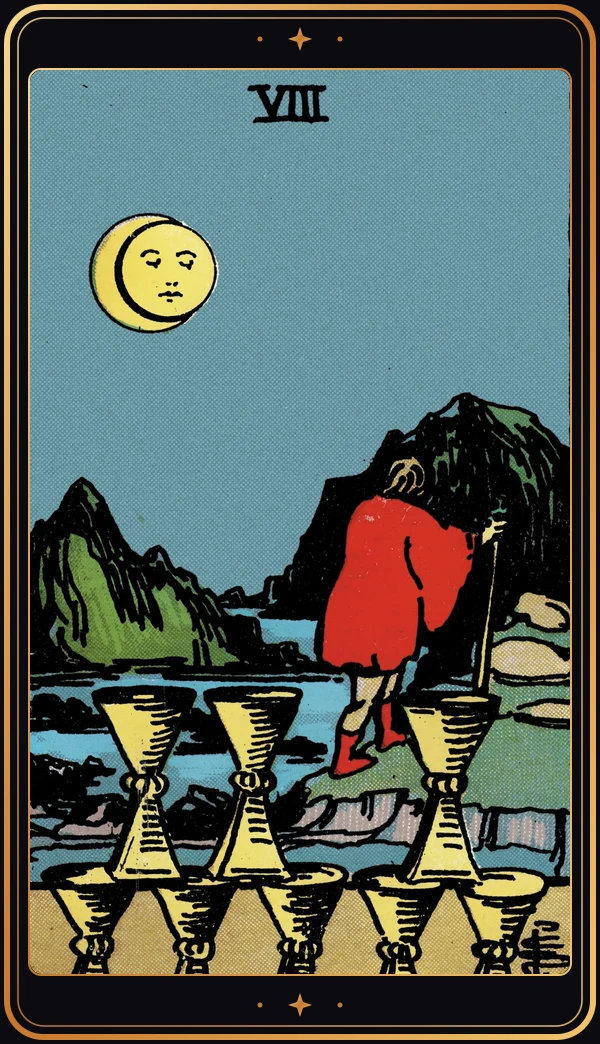
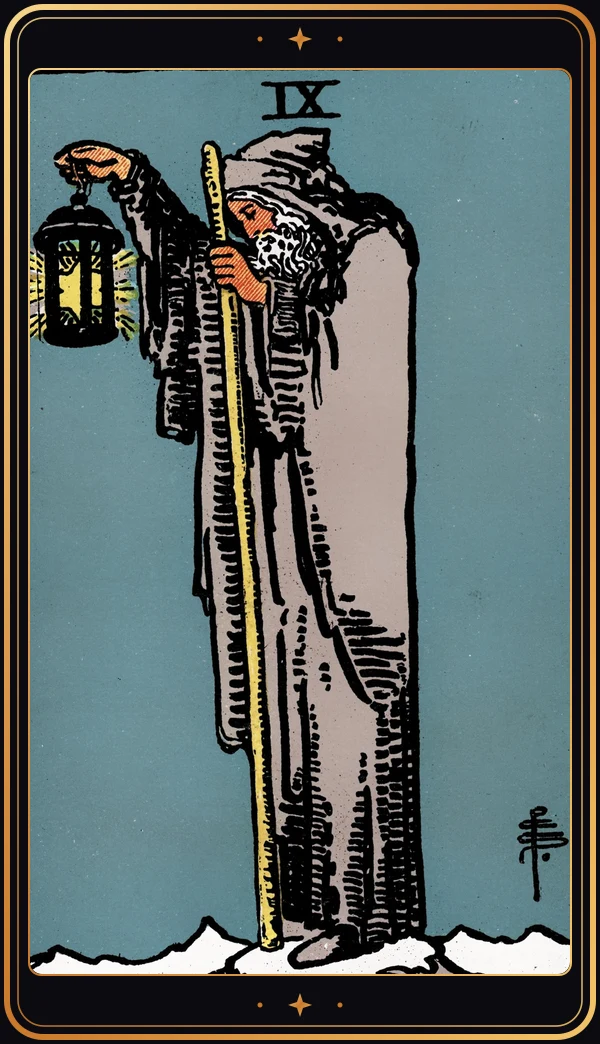
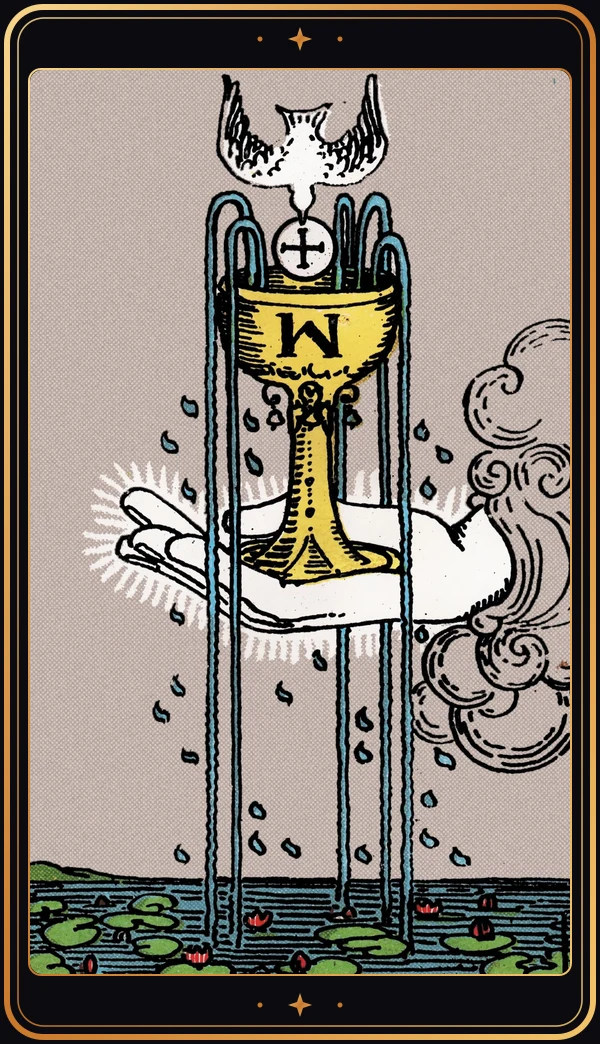
A position is the question each card answers, and there’s no single right layout. Some readers always use past, present and future. Others choose positions that make sense for the question in front of them, and give each card its own job.
To make your own, ask what this question needs to know, then name three parts, one per card. A question about two people might use you, them and the connection. A choice might use option one, option two and what to weigh. Whatever you choose, decide before you draw: if you choose after, it’s too easy to fit the positions to the cards you like.
Each card answers its position
Think of each position as a mini-question. Situation asks: what’s going on? Challenge asks: what’s in the way? Advice asks: what might help? Take the Knight of Pentacles, a rider on a horse standing still. As the challenge, he might suggest moving too slowly. As the advice, steady, patient progress.
Positions also stop you cherry-picking. If you get a card you don’t like in advice, you can’t move it to challenge. You work with what the position asks, and some of the most useful readings come from a card you didn’t want in a place you didn’t expect.
Joining the three
To join the three, read each card in its position first. Then say in one or two sentences how they connect: what changes from the first to the last? Finally, check each card with “This card adds…”. If you can’t finish that sentence for a card, look at it again.
Your exercise: a three-card reading for a client
Choose a client’s question, name three positions that fit it, pick a card for each, then write what you see and what each card might suggest in its place. Quinn checks every line against the cards.
Key takeaways
- 1Pick positions that fit the question, and choose them before you draw.
- 2Each position asks a mini-question; the card answers that question.
- 3Work with the card you got, where it landed.
- 4Check each card with “This card adds…”.