
Major vs Minor Arcana in a Reading
Read the video transcript
In a real reading, you’ll often get a mix of Major and Minor cards. Knowing how to weigh them helps. Major cards often set the theme.
The Hermit, alone on a snowy peak with his lantern, suggests focus and reflection. Minor cards show the detail. The Eight of Pentacles, a craftsman carving coins, makes that theme everyday: quiet, careful work.
Notice the balance, too. Many Majors may point to bigger themes; all Minors, to everyday choices. A question, not a conclusion.
Don’t let a Major card swallow the rest. In a three-card reading, the other two cards still matter. Say you’re thinking of going back to study part-time, and you draw the Hierophant, the Three of Pentacles and the Four.
The Hierophant sets the theme: learning from teachers. The Three shows how it looks day to day: working alongside others. But the Four of Pentacles, holding tight to its coins, adds what the theme doesn’t cover: money.
Weigh that too. So ask: does the Minor card show the Major theme in daily life, or something it doesn’t cover? Both are useful.
In a real reading, you’ll often get a mix of Major and Minor cards. Knowing how to weigh them helps you see both the big theme and the everyday detail.
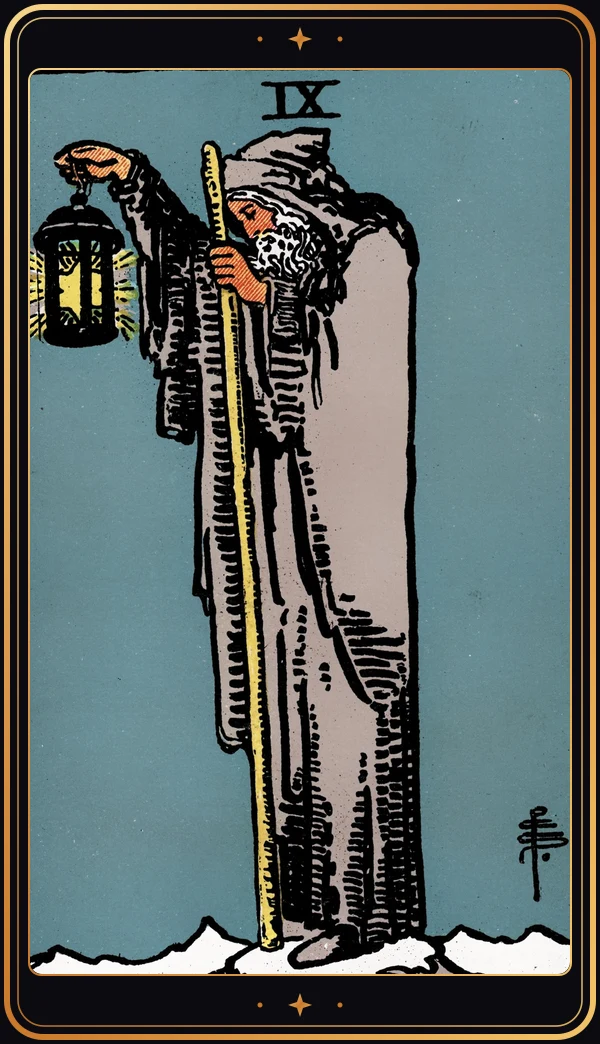
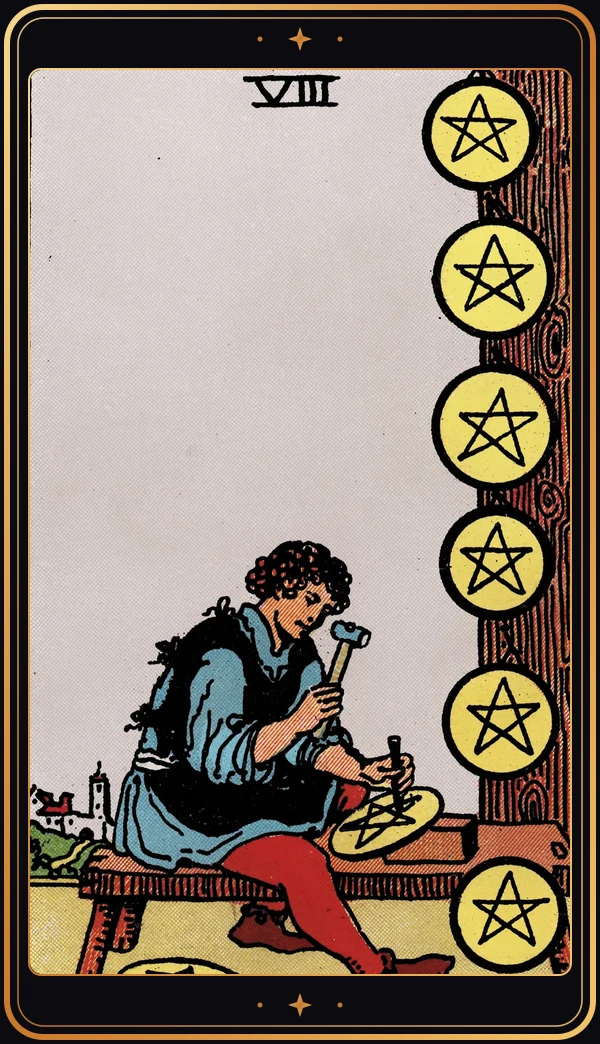
A common way to think about it: Major cards set the theme, Minor cards show the details. Imagine the Hermit next to the Eight of Pentacles. The Hermit, alone on a snowy peak with his lantern, suggests a time of focus and reflection. The Eight of Pentacles, a craftsman carving coins at his bench, gives that theme an everyday form: quiet, careful work on a skill.
Many readers also notice the balance of a spread. If most cards are Major, some see it as a sign the situation touches on bigger themes. If they’re all Minor, it might be more about day-to-day choices. Treat this as a prompt for a question, not a conclusion.
Be careful not to let a Major card swallow the rest. A single Major in a three-card reading is important, but the other two cards still matter. Read each card, then ask how they connect. A helpful question: does the Minor card show how the Major theme is showing up in daily life? Or does it show something the bigger theme doesn’t cover? Both are useful observations.
Your exercise
Practise weighing Major and Minor cards together. For each reading, decide: which of the three readings weighs the cards best? You’ll see straight away if you’re right.
Key takeaways
- 1Major cards often set the theme; Minor cards often show the detail.
- 2The balance of Major and Minor cards can prompt a question, but it doesn’t prove anything.
- 3Don’t let a Major card swallow the others: every card in the reading counts.
- 4Ask how each Minor card expresses the Major theme, or adds something it doesn’t cover.